
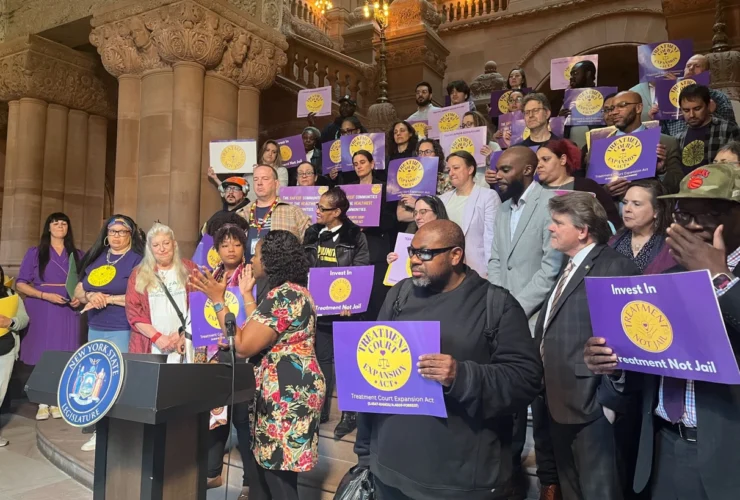
Grantee examines why mental-health courts in NY are reaching just a fraction of people who need them
With the support of a seed grant from the Fund, Eliza Fawcett explored the obscure world of New York’s mental health courts, which aim to divert people with serious mental illness from jail and into treatment. More than 40 mental health courts have emerged across New York State since the early 2000s, and the state court system is focused on ...
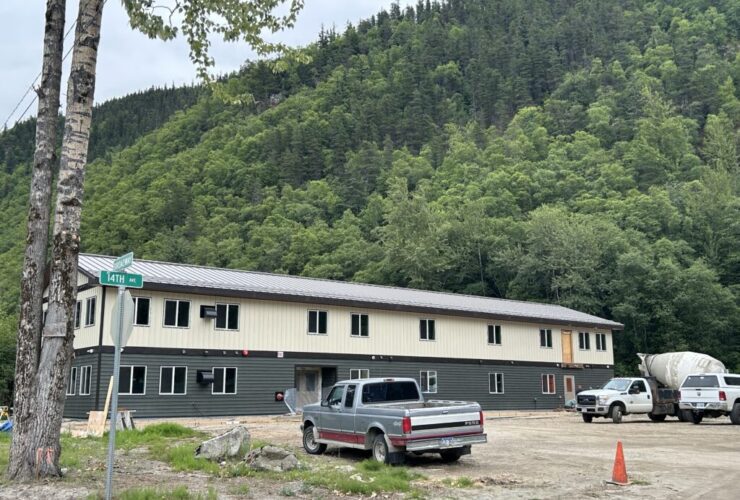
KHNS, the NPR affiliate in the Alaska panhandle, is airing a second season of Molly McCluskey’s award-winning series examining how the cruise-ship industry created a housing crunch in a tiny Alaska town. With support from the Fund, McCluskey dug into changes to local housing in the aftermath of the first season – and found that, while some important steps have ...

Five years before immigration agents made international news for the shooting of Renée Good, they shot another 37-year-old mother of three in the head through a car windshield. The previous victim, Marisol García Alcántara, miraculously survived and was sent to an ICE jail with the bullet still in her forehead. With support from the Fund, S.C. Cornell dug into Alcántara’s ...
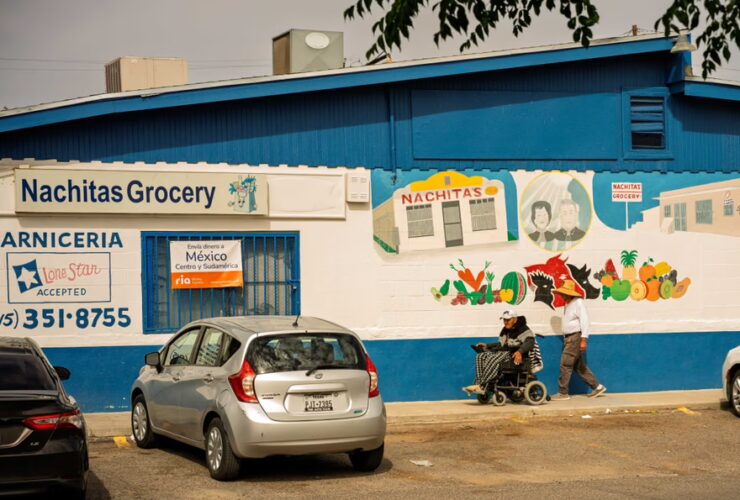
With support from the Fund, Lourdes Medrano dug into the impact of new federal rules intended to crack down on cartel money-laundering – which are devastating small businesses along the U.S./Mexico border that immigrant families rely on to pay rent and support each other. Last year, the federal government required any businesses providing financial services in the region to report ...
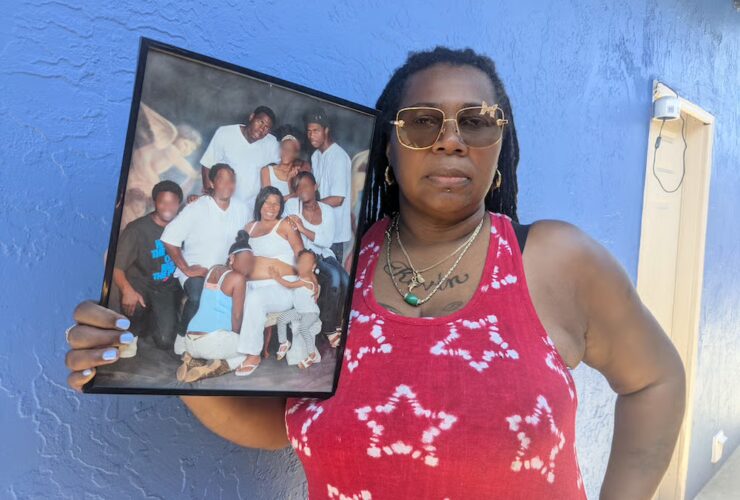
In the second part of an investigation into a case that highlights lengthy pretrial detention in San Francisco, Amy Martyn uncovered information that a witness’s testimony was misrepresented and that the prosecutor delayed the case nine times in the final three years that Kenyon and Kishawn Norbert were in jail awaiting trial. With support from the Fund, Martyn used court ...
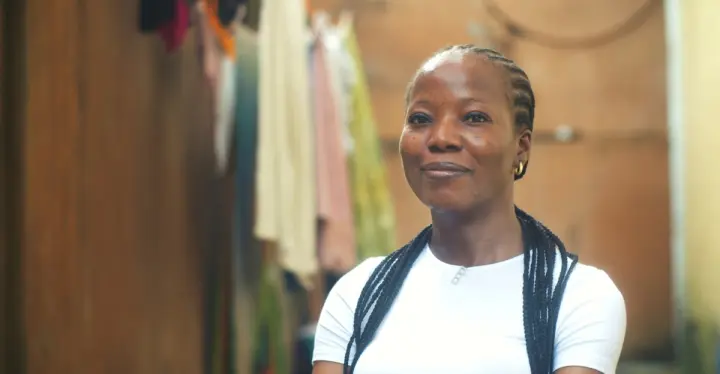
For an investigation in TechCity, Anibe Idakili uncovered how digital lenders, smartphone ecosystems, data brokers, and artificial intelligence contractors extract money, personal information, and labor from people with limited economic and regulatory power. Interviews revealed a pattern of loan apps weaponizing contact lists, platforms offering weaker consent protections in Nigeria than in the U.S., low-cost phones carrying software with documented ...
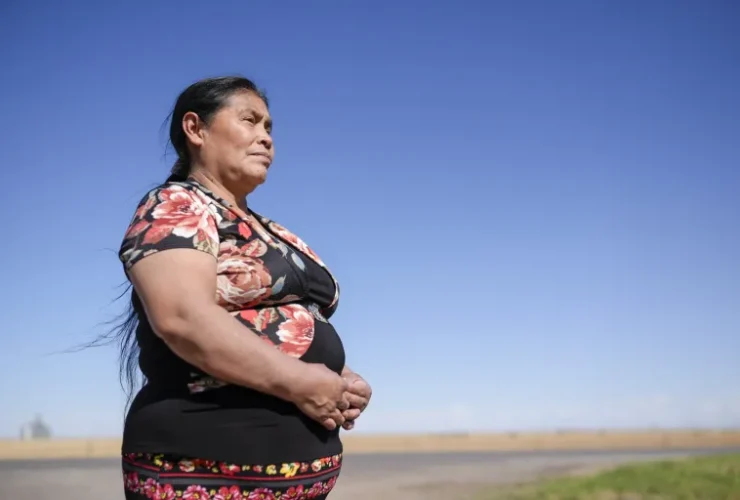
As part of ongoing reporting about the justice system in rural areas, and with support from the Fund, Oklahoma Watch spent a year investigating a car crash involving a drug task force officer and a family of Guatemalan immigrants. Oklahoma Watch sued to obtain evidence that the officer sped through a stop sign without braking before the cars collided. No ...

The City Reporter, with support from the Fund, found that 93% of street arrests by Immigration and Customs Enforcement (ICE) in the New York area targeted Latino people. ICE has not released any data on who they have arrested since October 15, 2025, so the City Reporter compiled its own database, using habeas corpus petitions filed on behalf of immigrants ...
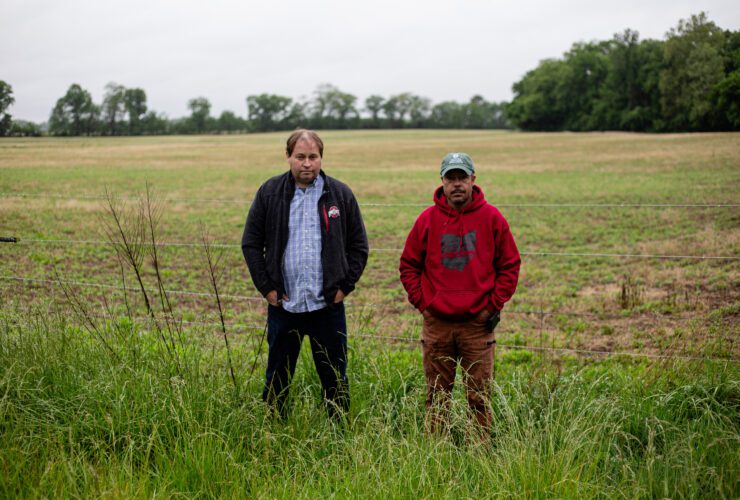
When two farmers in a small town in Ohio were concerned about construction of a huge new corporate plant in their community, they gathered enough signatures to put the zoning changes up for a public vote. But, twice, state officials blocked the project from going on the ballot. Taylor Barnes for Inkstick Media, with support from the Fund, revealed that ...

PBS Frontline and Retro Report investigated how so-called baby brokers have targeted pregnant women and families looking to adopt. They found that in parts of the U.S., the adoption industry is loosely regulated, where middlemen operate in a practice that critics have described as “adoption tourism.” With support from the Fund, Kimberlee Bassford contributed reporting on the adoption of babies ...